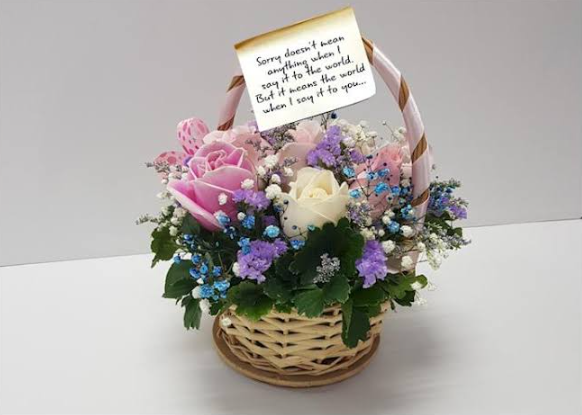
Saying sorry can be difficult. Finding the right words can feel harder than accepting that an apology is needed, and sometimes a gesture speaks more clearly than anything said out loud. Choosing a flower to say sorry is one of the most personal ways to show that you reflected on what happened before reaching out. The act of selecting the right arrangement, writing a genuine note, and sending it with care communicates that the apology was intentional rather than impulsive. Flowers should accompany a sincere apology and changed behavior rather than replace them, and when they do accompany one, they can make it feel real.
1. Flowers Show That You Made an Effort
There is a difference between a quick text and a thoughtful gesture, and the recipient usually feels it. Ordering or choosing flowers takes time, consideration, and intention. A bouquet shows that the apology was deliberate rather than a last resort after silence became uncomfortable.
Personalization Deepens the Gesture
Choosing the recipient’s favourite flowers or colours takes that effort further. It says you know this person well enough to make something personal. The arrangement communicates, “I know this matters to you,” without needing those words to appear on the card. That said, effort only means something when it supports genuine accountability. Flowers without honesty are just flowers.
See also: How Embroidered Apparel Helps Strengthen Brand Recognition
2. Communicate Feelings When Words Are Difficult
Emotions can be hard to articulate when the relationship is strained, or the situation is still raw. Flowers can help express what is true when a direct conversation feels too charged to begin. The feelings a bouquet can carry before a word is spoken:
- Regret and remorse for what happened
- Care for the other person and the relationship
- Respect for how they are feeling
- Hope that repair is possible when they are ready
What They Should Never Replace
The physical presence of the arrangement also matters. The recipient has a physical reminder that someone cared enough to reach out. In tense situations, flowers can create a gentle opening for conversation when emotions are still settling. What flowers should never do is replace that conversation or help someone sidestep accountability for what happened.
3. Flowers Can Express Sincere Regret
Colour carries meaning in an apology bouquet. Three tones that appear most often in sincere apologies:
- White: Sincerity, respect, peace, and a fresh start
- Soft blue: Calm and a quiet acknowledgment of remorse
- Pale pink: Care, tenderness, and gratitude rather than romantic intensity
Personal Preference Comes First
These associations are cultural rather than fixed rules. Personal knowledge of the recipient always matters more than a colour chart. If the person loves bold, warm colours and associates white with clinical settings, a soft-toned bouquet chosen for symbolism alone will miss the mark.
4. Flowers Can Represent a Fresh Start
Spring flowers, tulips, daffodils, and similarly fresh blooms carry an association with renewal and new beginnings. Sending these alongside an apology signals hope rather than pressure: hope that the relationship can move forward when the recipient is ready.
Giving the Recipient Space
That timing matters. Fresh start symbolism should never imply that forgiveness is expected immediately. The flowers are for the sender to express sincerity and for the recipient to receive as they choose. Giving the other person room to decide whether and when reconciliation feels possible is part of what makes the gesture respectful.
5. The Right Flowers Make the Apology More Personal
| Flower | Common association | Suitable apology tone |
| White roses | Sincerity, respect, fresh beginnings | Serious, direct, and broadly appropriate |
| Pink roses | Care, tenderness, gratitude | Gentle romantic or family apology |
| Yellow roses | Friendship, warmth, reconciliation | Apology to a friend or non-romantic relationship |
| White tulips | Renewal and forgiveness | Hopeful, simple, and modern |
| Blue hyacinths | Peace and sincere regret | Clear message of remorse |
| Pink carnations | Affection and appreciation | Soft, warm, and personal |
| White orchids | Sincerity, respect, and elegance | Serious or refined apology |
| Daffodils | Optimism and new beginnings | Hopeful apology after a conflict |
| Sunflowers | Positivity and warmth | Friendly or uplifting apology |
| Lily of the valley | Renewal and a new chapter | Meaningful relationship repair |
These meanings are cultural associations rather than guaranteed messages. Personal knowledge of the recipient shapes the choice far more reliably than any general symbolism guide.
6. Show That You Remember the Recipient
Including a favourite flower, a colour the recipient gravitates toward, or an arrangement style that suits their home or personality shows that the choice was made for them rather than for appearances.
It is worth pausing before ordering to consider:
- If the recipient enjoys receiving flowers at all
- If strong fragrance might be unwelcome in their space
- Whether a delivery to their workplace could feel embarrassing rather than warm
- Whether allergies, pets, or cultural associations affect what is appropriate
Thoughtfulness on these points often matters more than size or price. Growing Wild can help design an apology arrangement that genuinely reflects the person receiving it, with same-day delivery across Manhattan Beach and the South Bay.
7. Bouquet Makes the Apology Feel Gentle
Tone matters in an apology, and it matters in the flowers chosen to accompany one. Soft colours, natural arrangements, and understated designs create a warm, open feeling without pressure. Oversized dramatic bouquets can shift the focus from sincerity to spectacle, making the gesture feel performative rather than personal.
In a sensitive situation, a smaller or simpler arrangement often communicates more than an elaborate one. Choose based on the emotional weight of the moment: calm, respectful, and sincere rather than showy. The bouquet should open a door rather than demand a response.
8. Flowers Work Best With a Heartfelt Note
The arrangement alone carries only part of the message. The card is where the apology becomes direct.
What a Meaningful Apology Note Includes
- Names what happened without vague or deflecting language
- Acknowledges the impact your actions may have had on the other person
- States “I’m sorry” clearly and without conditions
- Avoids excuses, shared blame, or “I’m sorry you feel that way”
- States what you will do differently
- Keeps the message personal and genuinely concise
A Simple Structure to Follow
One useful structure: “I’m sorry for [what happened]. I understand it hurt you because [specific impact]. I’m going to [specific change]. I hope you know how much I value you, and I respect whatever space you need.”
9. Timing Can Make the Gesture More Thoughtful
Sending flowers immediately to end a difficult moment can feel reactive rather than reflective. Taking time to consider what happened, what accountability looks like, and what the other person needs before reaching out tends to produce a more honest gesture.
When the timing is right:
- Consider whether in person, written, or private delivery would feel more respectful
- Avoid sending flowers publicly if the recipient might feel embarrassed or put on the spot
- Leave space after the delivery for the person to process without expectation of an immediate response
The apology that arrives at the right moment, rather than the most convenient one, carries more weight.
Choose the Bouquet Size and Style Carefully
Size communicates something on its own. Matching it to the situation avoids sending the wrong signal:
- Small bouquet: Suitable for a minor misunderstanding or a low-pressure gesture
- Medium arrangement: Appropriate for a meaningful personal apology
- Large bouquet: May suit a significant romantic situation but can feel excessive or performative in others
For serious situations, a simple and sincere design almost always reads better than something dramatic. The style should match the relationship, the recipient’s personality, and the setting rather than an assumption that larger means more meaningful.
When Flowers May Not Be the Right Apology
Recognising when flowers are the wrong gesture is itself part of genuine care for the other person. Flowers may be the wrong choice when:
- The recipient has requested no contact
- The person dislikes receiving flowers or finds gifts uncomfortable
- The situation involves repeated harm, manipulation, or a serious breach of trust
- Public delivery could embarrass or pressure the recipient
- The apology requires practical action, changed behavior, counselling, or meaningful distance
Respecting a boundary, even when flowers feel like a kind gesture, is itself part of taking responsibility.
How to Make the Gesture Meaningful
The most effective apology flowers are the most considered ones. To make the gesture genuinely meaningful:
- Choose flowers that reflect the recipient rather than your own preferences
- Pair the bouquet with specific, honest words
- Take responsibility without demanding forgiveness in return
- Give the recipient time and space to respond on their terms
- Follow through on the change you committed to
Let the flowers be the beginning of the repair, rather than the whole of it. The gesture opens a door, and the work that follows closes the distance.
FAQs
What are the best flowers to say sorry?
White roses, white tulips, blue hyacinths, pink carnations, and orchids are all commonly chosen for apologies because they communicate sincerity, peace, or care. The best choice depends on the relationship, the recipient’s preferences, and the tone the apology needs to carry.
What colour flowers represent apology?
White is most widely associated with sincerity and a fresh start. Soft blue conveys calm and remorse. Pale pink communicates tenderness and care. These are cultural associations rather than fixed meanings, and the recipient’s personal preferences should guide the choice more than general symbolism.
Are white roses good apology flowers?
Yes, white roses are a strong choice for a sincere apology because they are associated with respect, honesty, and new beginnings. They work across most relationship types and suit situations where the apology needs to feel direct and genuine rather than overly romantic or casual.
Bottom Line
Flowers to say sorry work because they are personal, visible, and take effort. White roses, soft pink blooms, tulips, blue hyacinths, orchids, and daffodils can all carry sincerity, peace, affection, or hope depending on the choice and context. The most meaningful apology combines a thoughtful arrangement with a direct and honest note, genuine accountability, and follow-through on changed behavior.
At Growing Wild, the team knows that an apology arrangement has to feel considered rather than convenient. Florists who have been designing in Manhattan Beach for over 30 years understand that the wrong flowers can undercut the gesture before the card is even read. The right bloom, the right palette, and a style suited to the recipient’s personality are things the team works through with every order. Fresh flowers are cut and arranged the morning of delivery, and the South Bay gets free same-day delivery to the door. Call or order online to get the arrangement right the first time.
Read More: What Flowers are Considered the True Flower of Romance